Inside a Cold War Decontamination Suite
Nothing screams ‘wholesome family outing’ like a Cold War Sunday.
It was crisp and autumnal, so we packed up the kids and dogs and drove from the bottom of Hampshire to the top. The destination was Greenham Common in Thatcham - once a WWII airbase, then a Cold War missile base, home to a Women’s Peace Camp for 19 years, and now a nature reserve. Somebody recommended it to me when I last mentioned my love for abandoned spaces and industrial archaeology. (Show me a slab of concrete encased in brambles and I’m yours.)
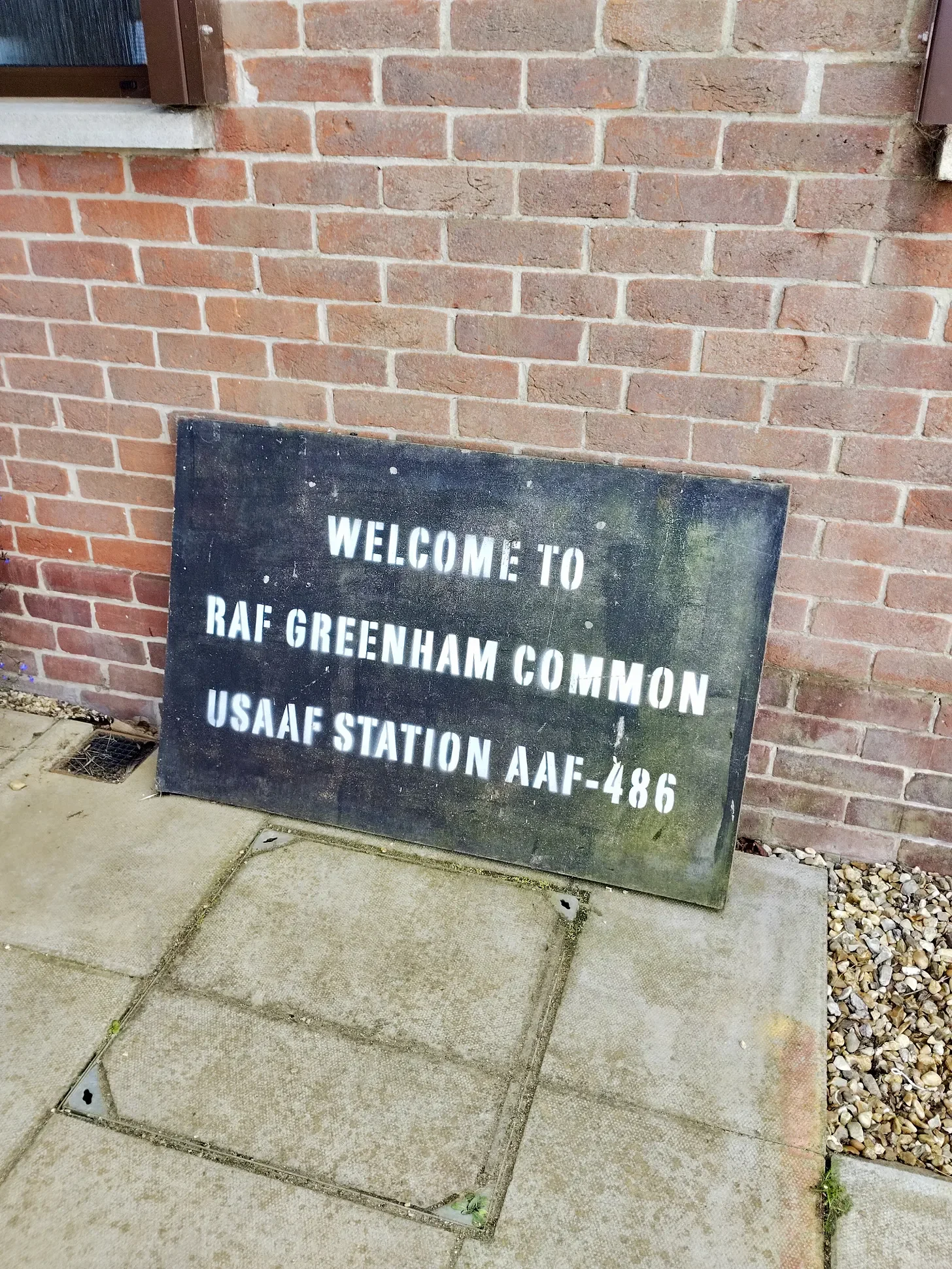
The airbase was home to USAAF soldiers in the 80s, one of whom still lives nearby and showed us photos of his time there
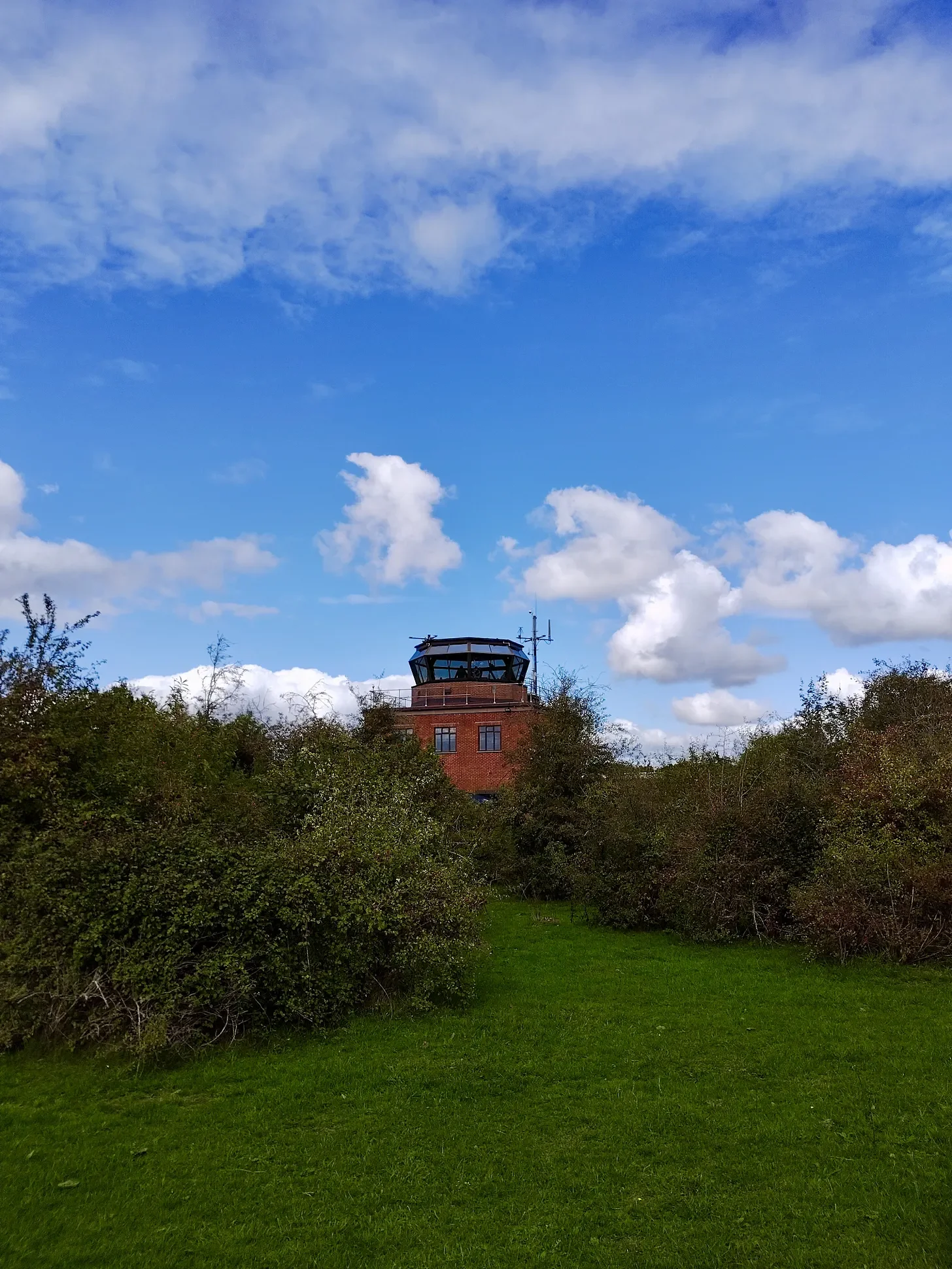
The control tower has been turned into a cafe with full access to the observation tower at the top
This place was the whole package. Fire hydrants hiding behind gorse bushes. A solitary patch of concrete runway. An empty flag pole marking the old turning circle. And the control tower was now the cafe, run by a team of committed volunteers (I’ve never been so ready to donate some cold, hard cash). The whole site exceeded all my expectations and we had the best day ever - including the dogs, who spent hours lolloping about in the sun.

Olive loved the free-roaming cows
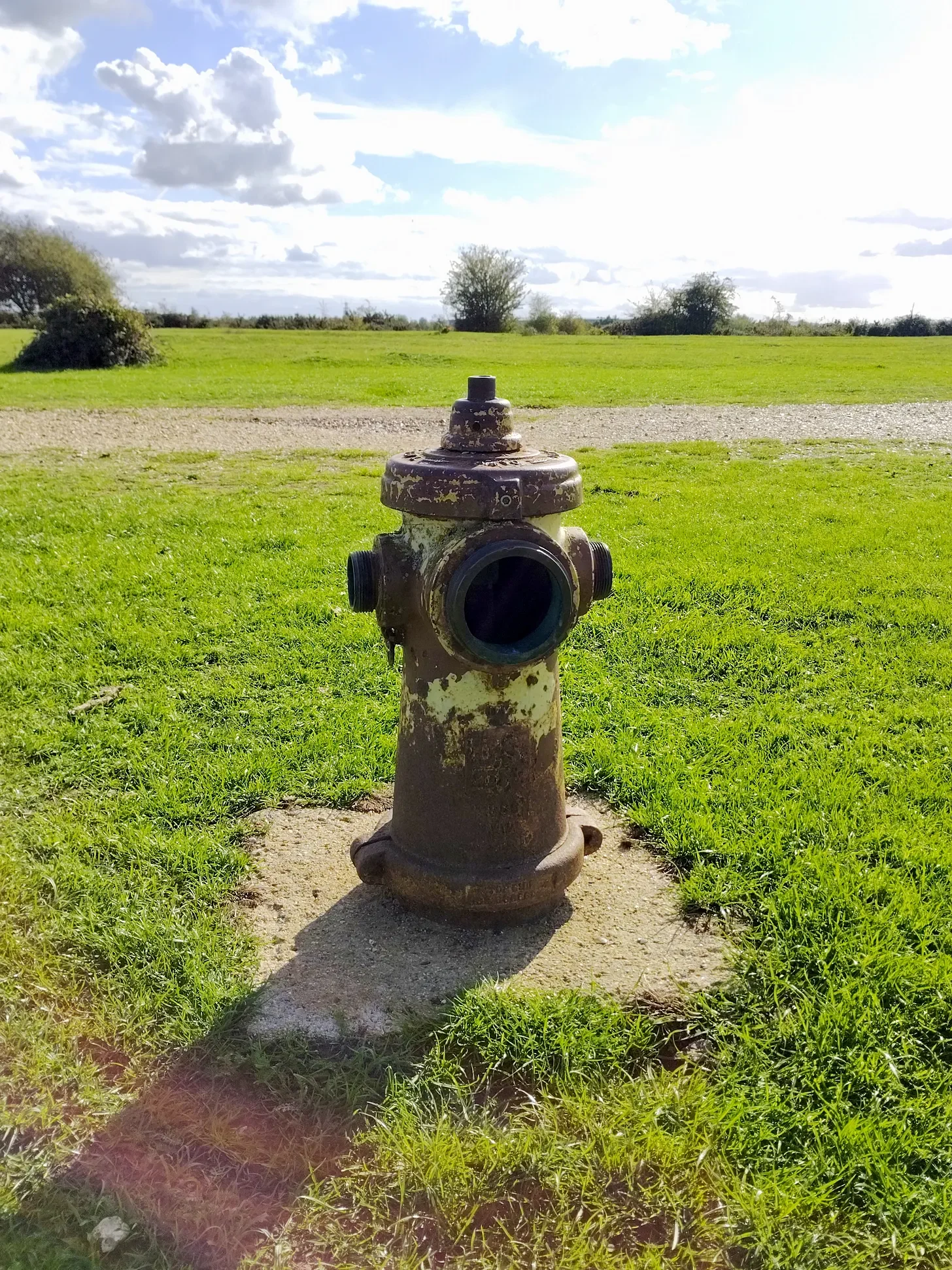
An abandoned fire hydrant on the common, delicious

Standing on the gravel path that was once part of the airstrip

Sloes galore, and lots of wildflowers
The highlight of the trip was the Decontamination Suite in building 274, which was part of a Cold War US Airbase between 1982 and 1991. Parts of this building have walls made of steel-reinforced, blast-proof concrete and solid blast-proof doors, all designed to be self-sufficient in air, water and sanitation if the enemy attacked and the airbase was completely shut down.
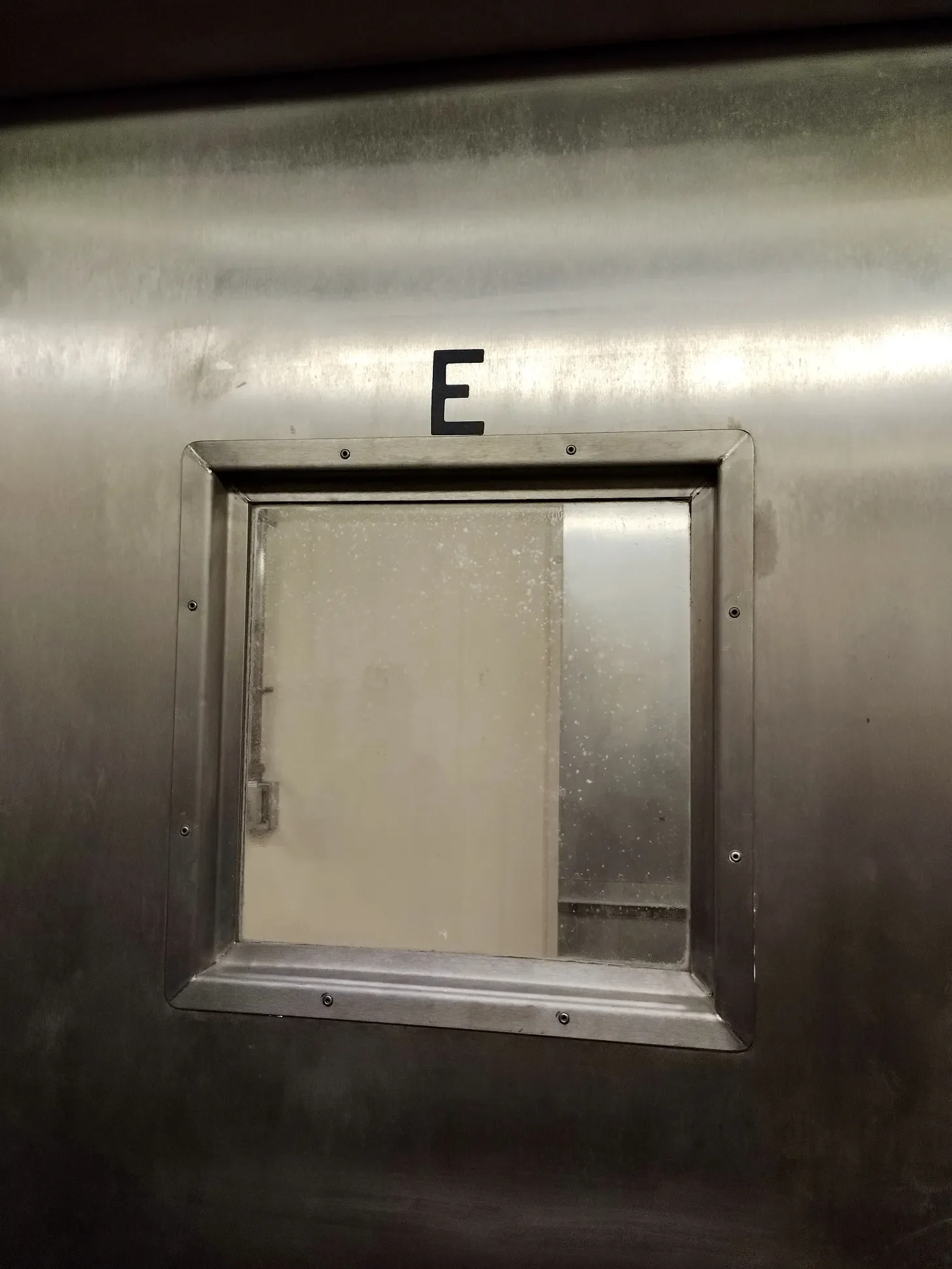
Everything was super airtight and we had no phone signal at all, despite being above ground
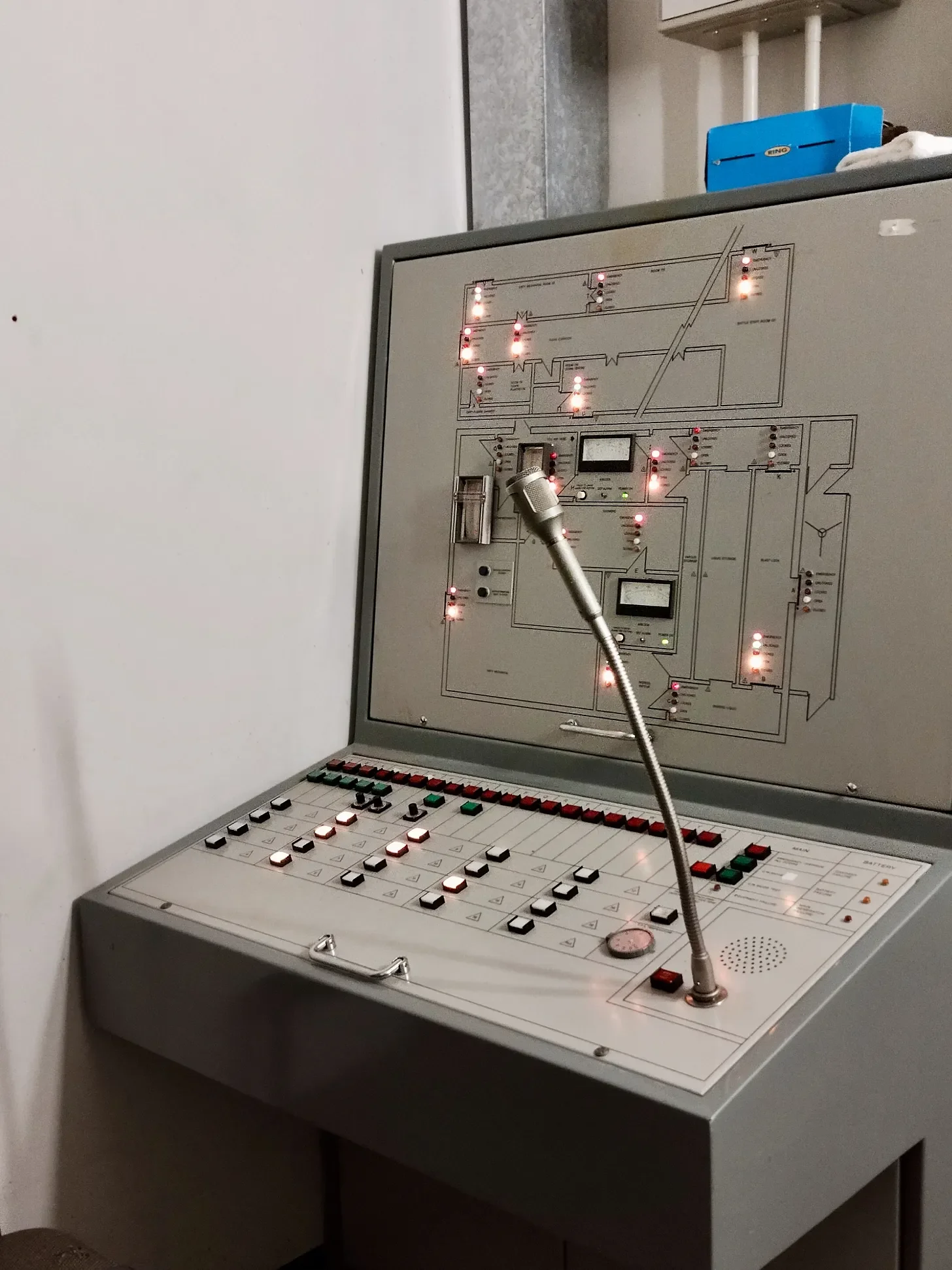
The control room in the suite - apparently there was a constant, soft clicking sound repeating at all times to let you know that something was wrong if it stopped
The purpose of the decontamination suite would have been to cleanse personnel of nerve agents in the events of a chemical attack, including napalm. It was only ever used for exercises rather than real attacks, which meant no chemicals came into contact with the base. Still, it was super eerie and amazingly well kept considering it has rarely been opened to the public since the Americans left in the 90s.
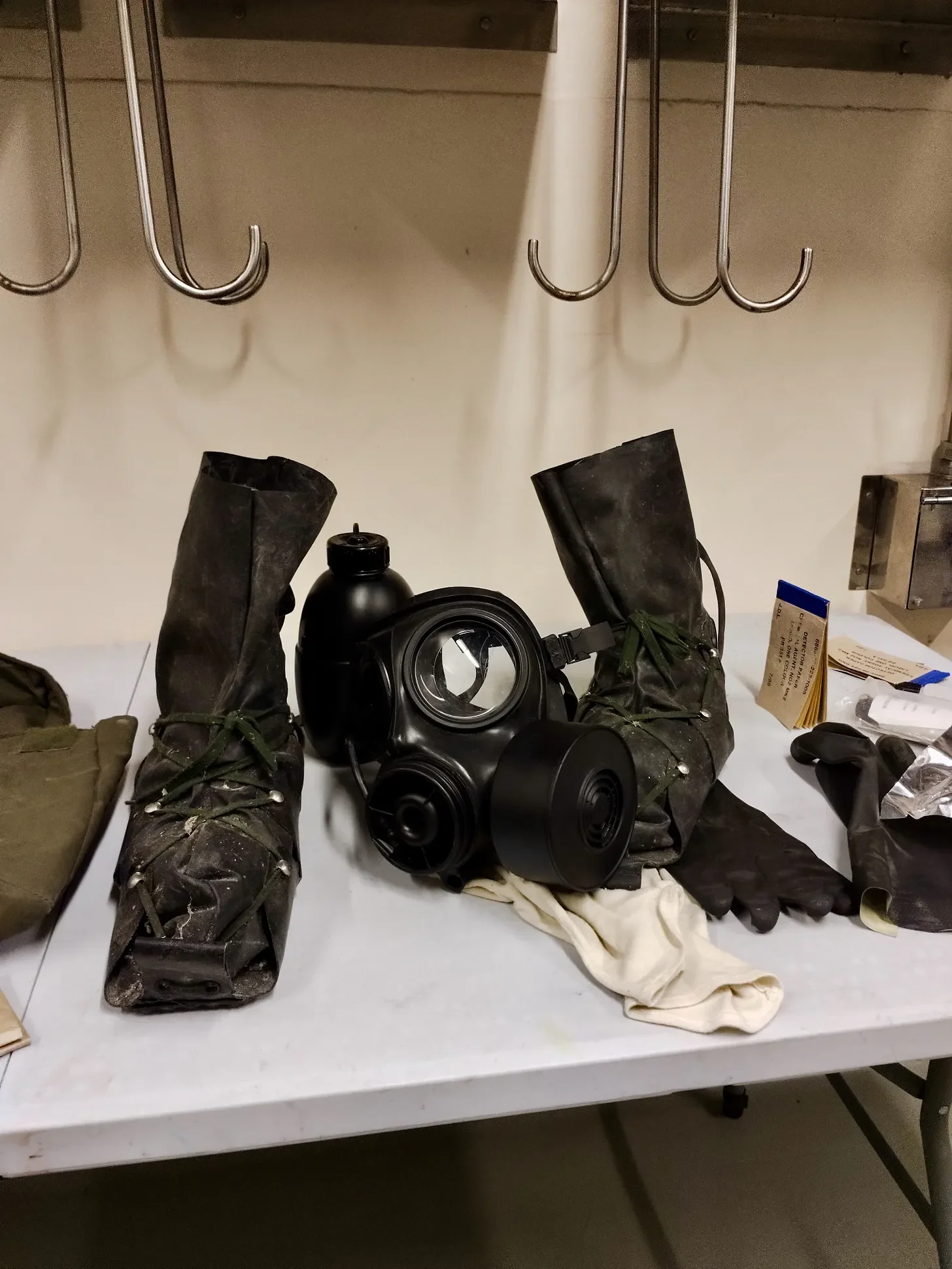
Bits of equipment found by volunteers after the Americans left
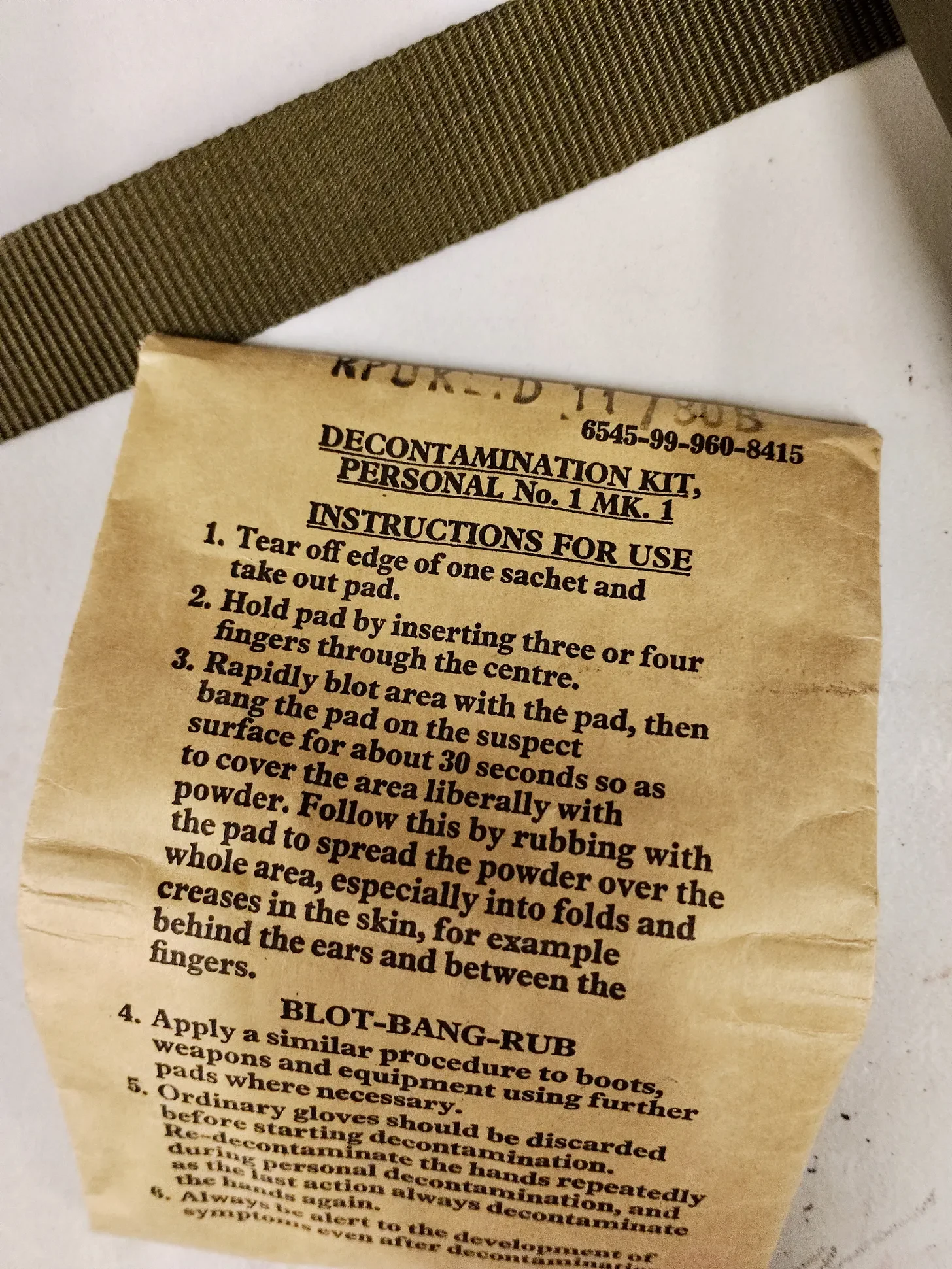
Fortunately the suite was only used for practice decontamination, as Greenham was never subjected to enemy attack
From 1981 to 2000, Greenham was also home to a Women’s Peace Camp that became an important symbol in the fight against nuclear arms, both in the UK and abroad. The camp began when a female activist group called Women for Life on Earth arrived at Greenham to protest against the government’s decision to allow American cruise missiles to be stored there.
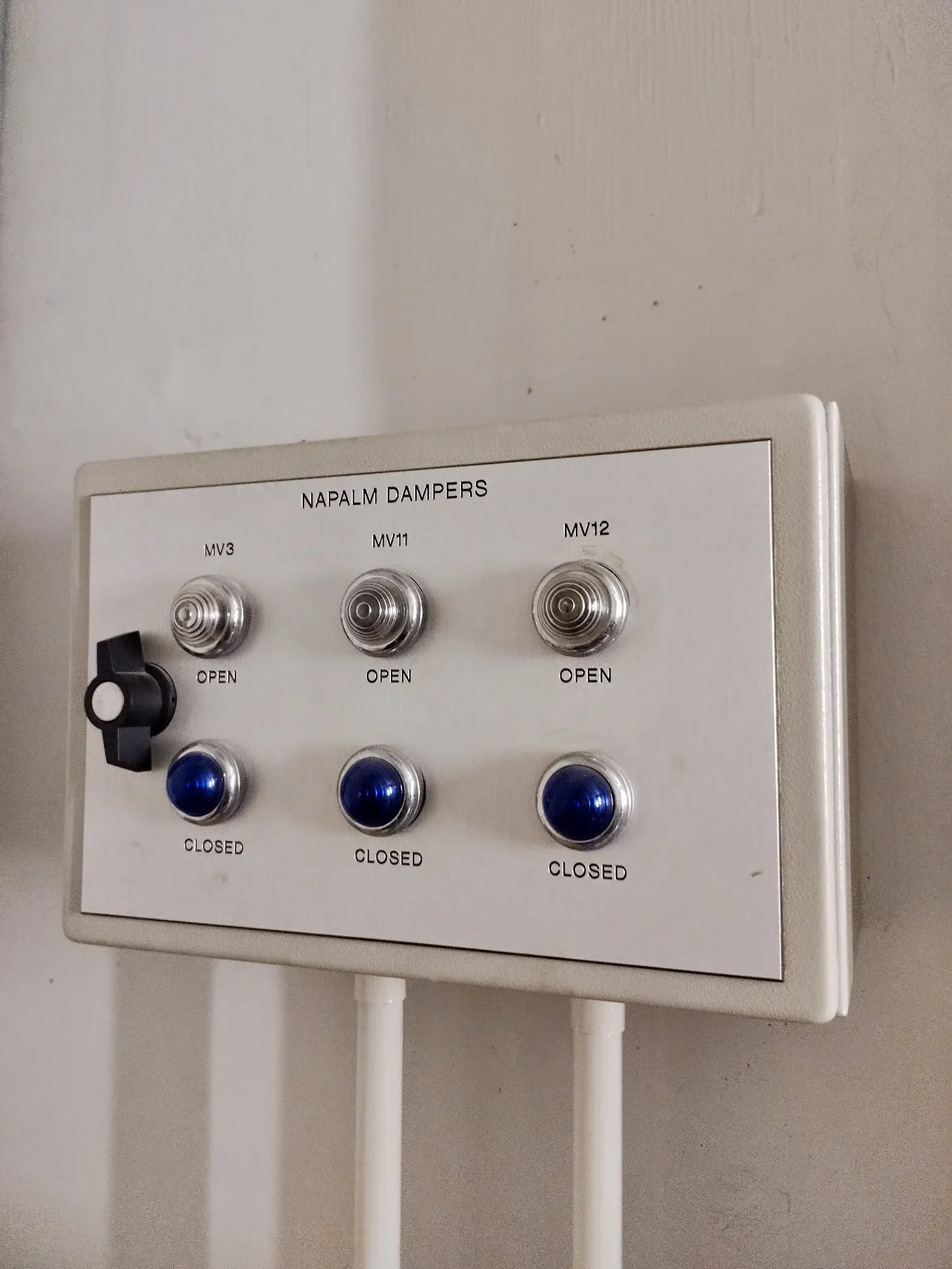
Fortunately the suite was only used for practice decontamination, as Greenham was never subjected to enemy attack
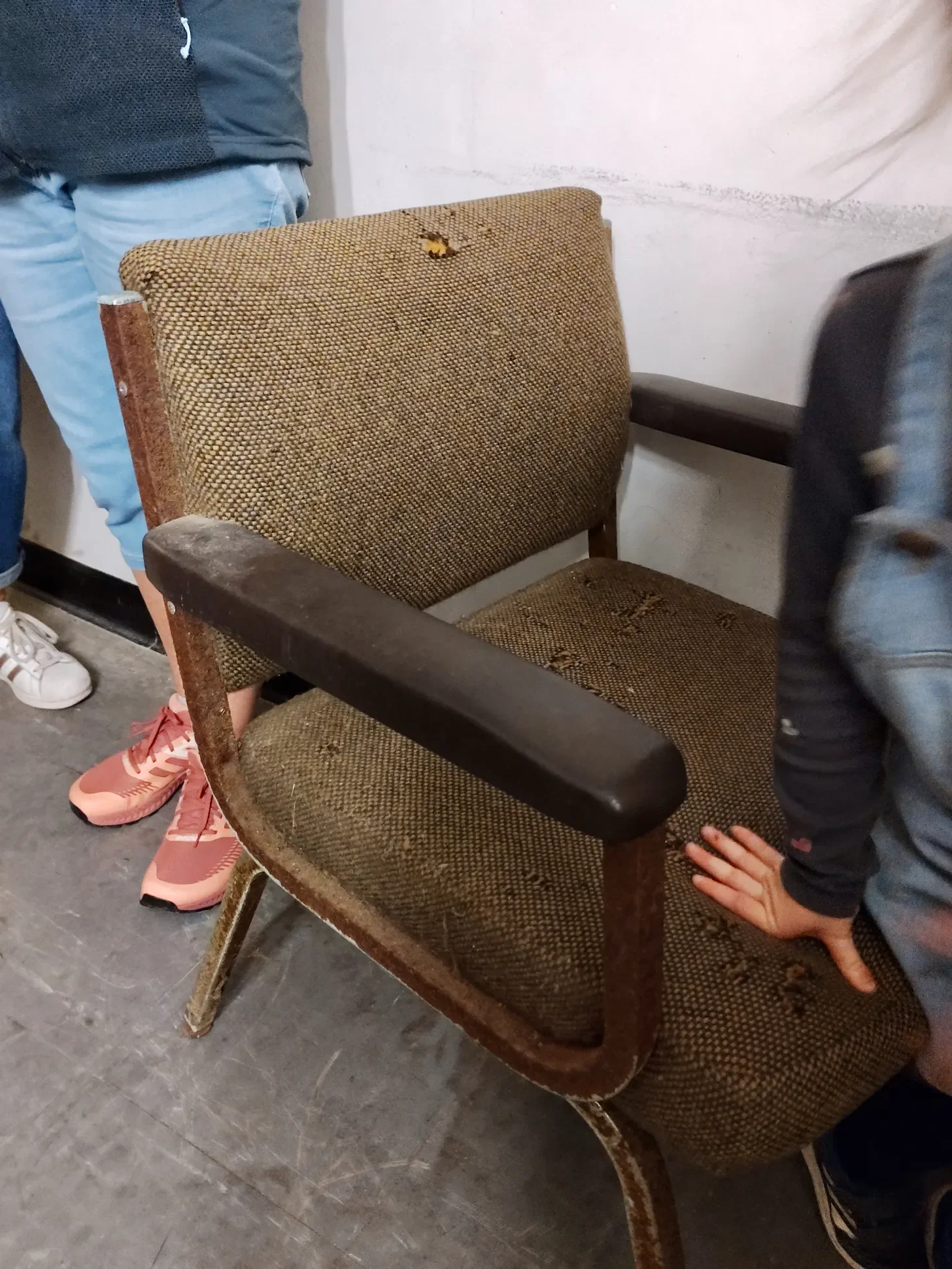
My favourite artefact in the building - the most eighties looking chair I have ever seen, and so full of memory!
Over the next 19 years, women from all backgrounds practiced their right to protest, often speaking from the perspective of mothers caring for the collective children of the future. They sang songs, made posters, chained themselves to railings, destroyed parts of the perimeter fence, and even danced on the missile storage silos as they were being constructed. One mass protest called ‘Embrace the Base’ saw over 20,000 women joining hands around the perimeter of the common.
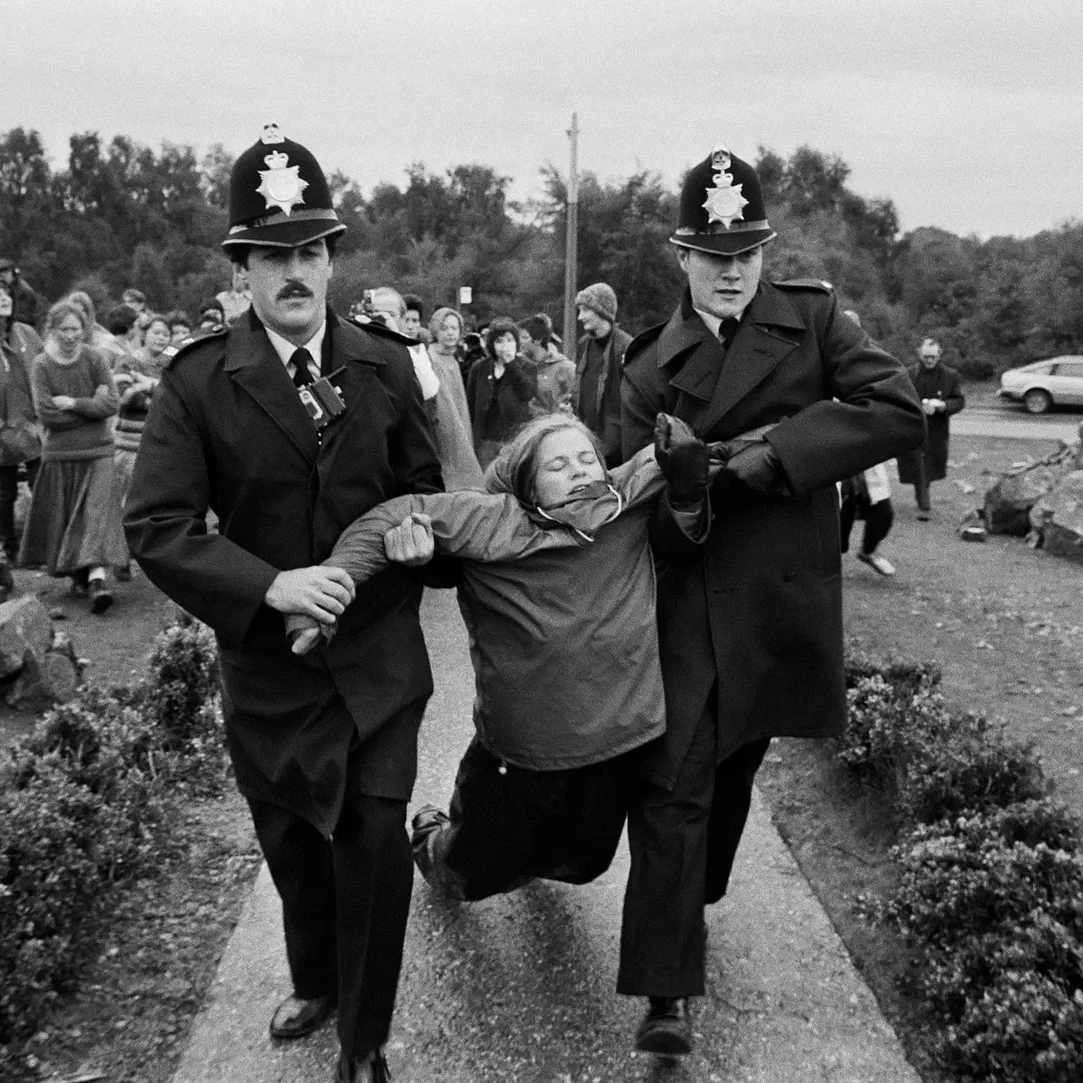
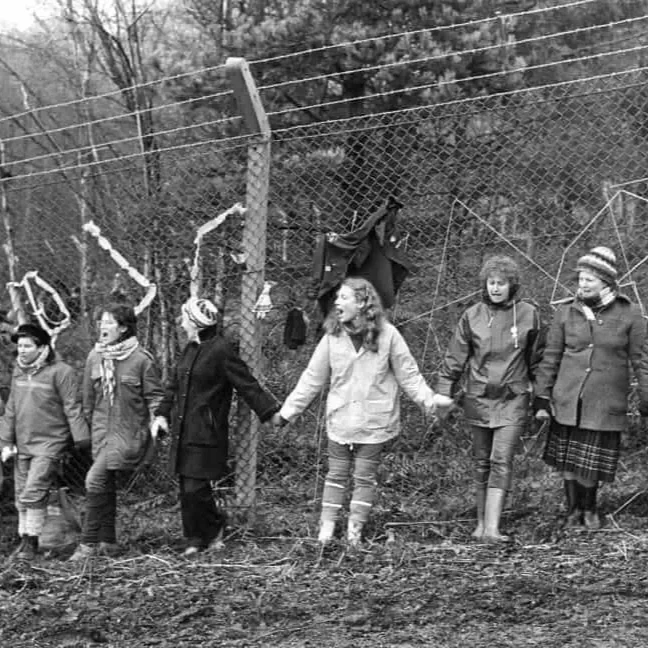
Time after time, they were arrested and detained, always returning to the base and practicing their right to peaceful protest. Some of the locals formed vigilante groups to intimidate and attack them, refusing to serve them in shops and pubs, while the police would release them in the middle of the night, miles from anywhere after their arrest, forcing them to walk long distances back to rejoin the camp. The government claimed the camps lured in illegal immigrants and terrorists, while a group of local housewives claimed the women did not care for the future of humanity, because they had left their own children and domestic duties at home in order to protest.

Despite all the backlash, they persisted in their protest, and the missiles were removed from Greenham Common in 1988. It is now a nature reserve run by the Wildlife Trust, home to rare orchids, nightingales, skylarks and butterflies. The airbase buildings and relics are maintained by volunteers, who were all brilliant and passionate.
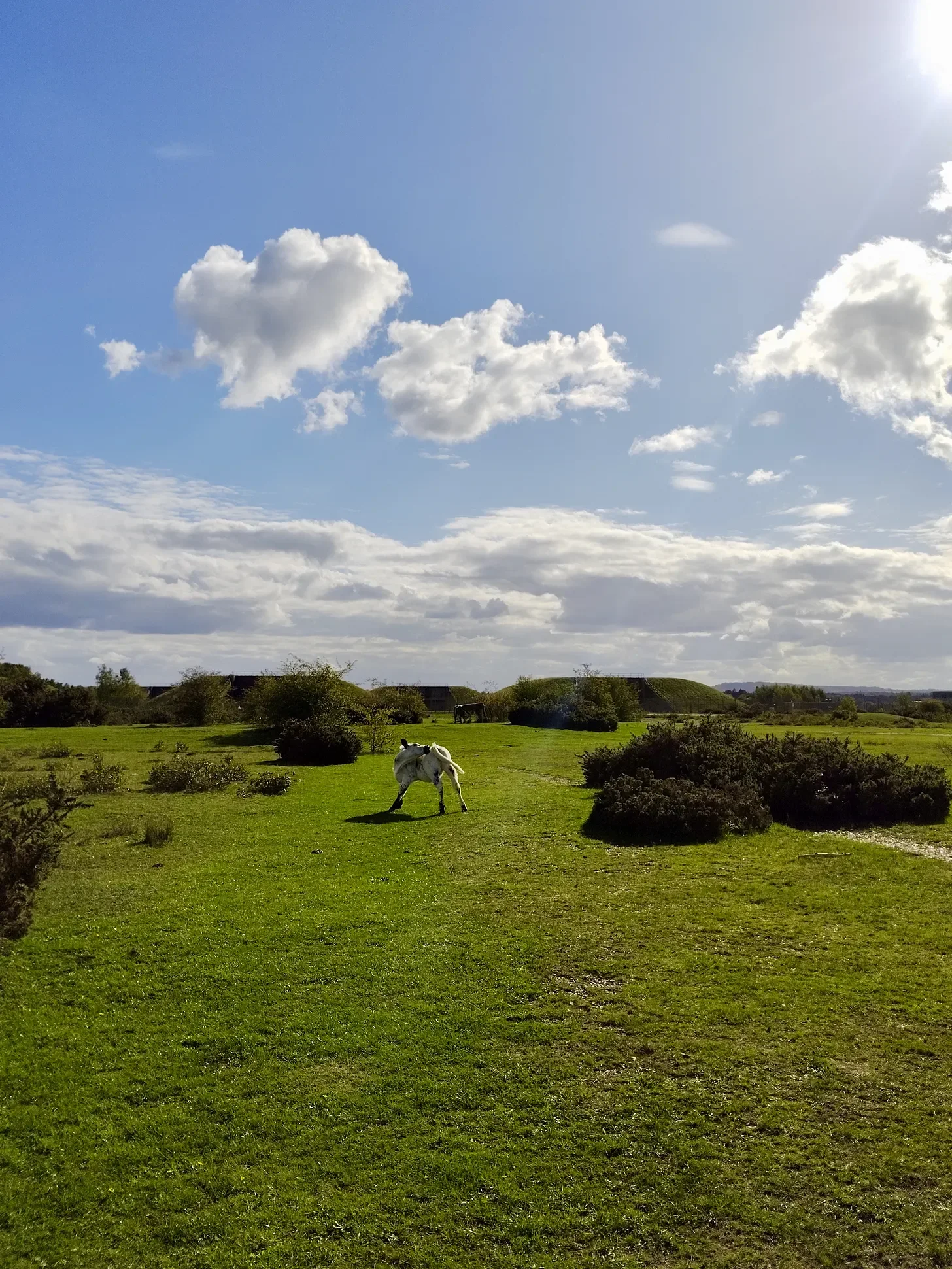
The missile storage silos in the background, upon which the protesters danced during their construction
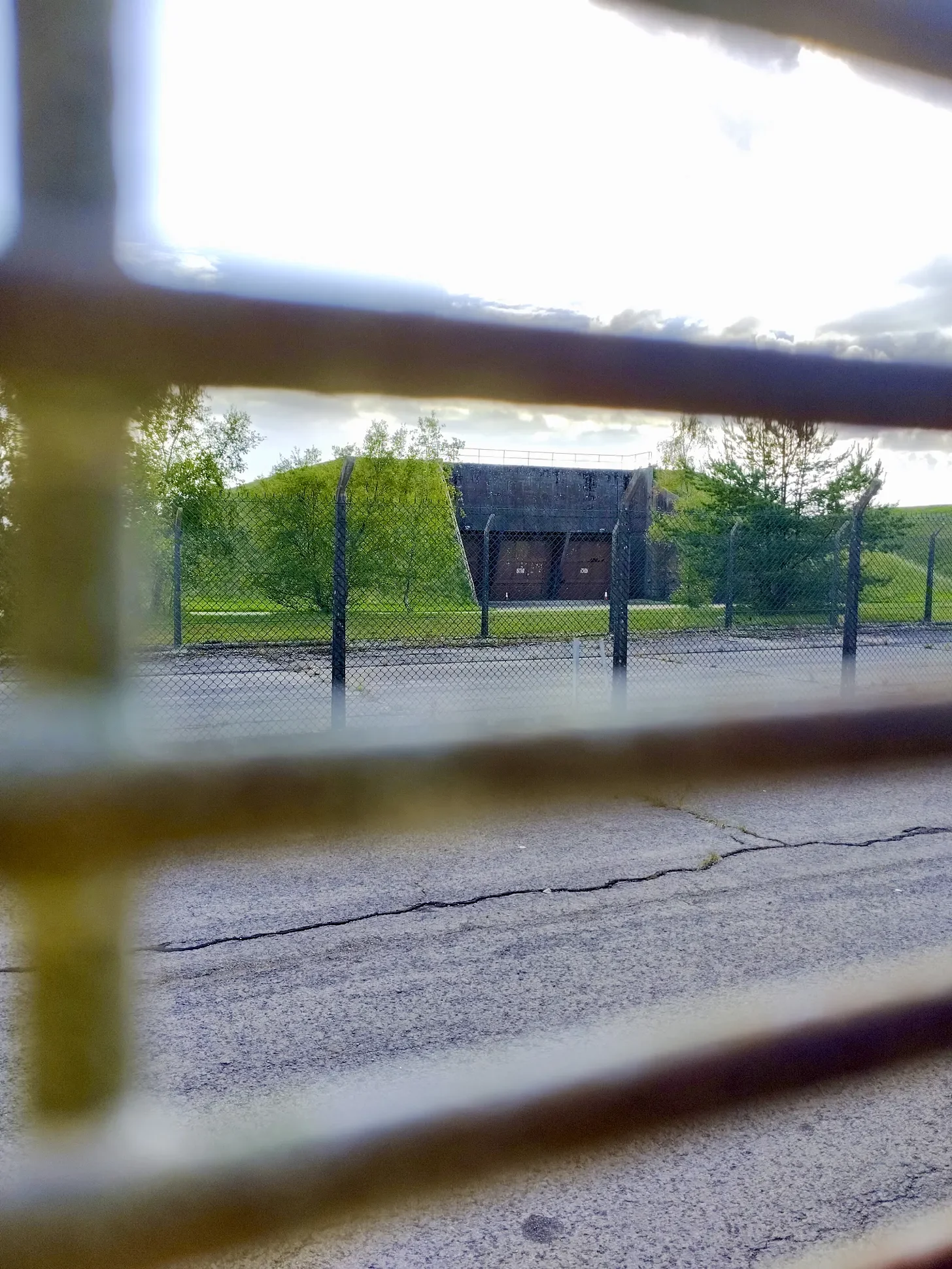
This is the closest you can get to the silos, which look like Cold War hobbit holes
It was great to take Olive to a place that has come to symbolise the power of peaceful protest and the resilience of women against all the horrors of the world.
‘First they ignore you. Then they ridicule you. And then they attack you and want to burn you. And then they build monuments to you.’
(Nicholas Klein)
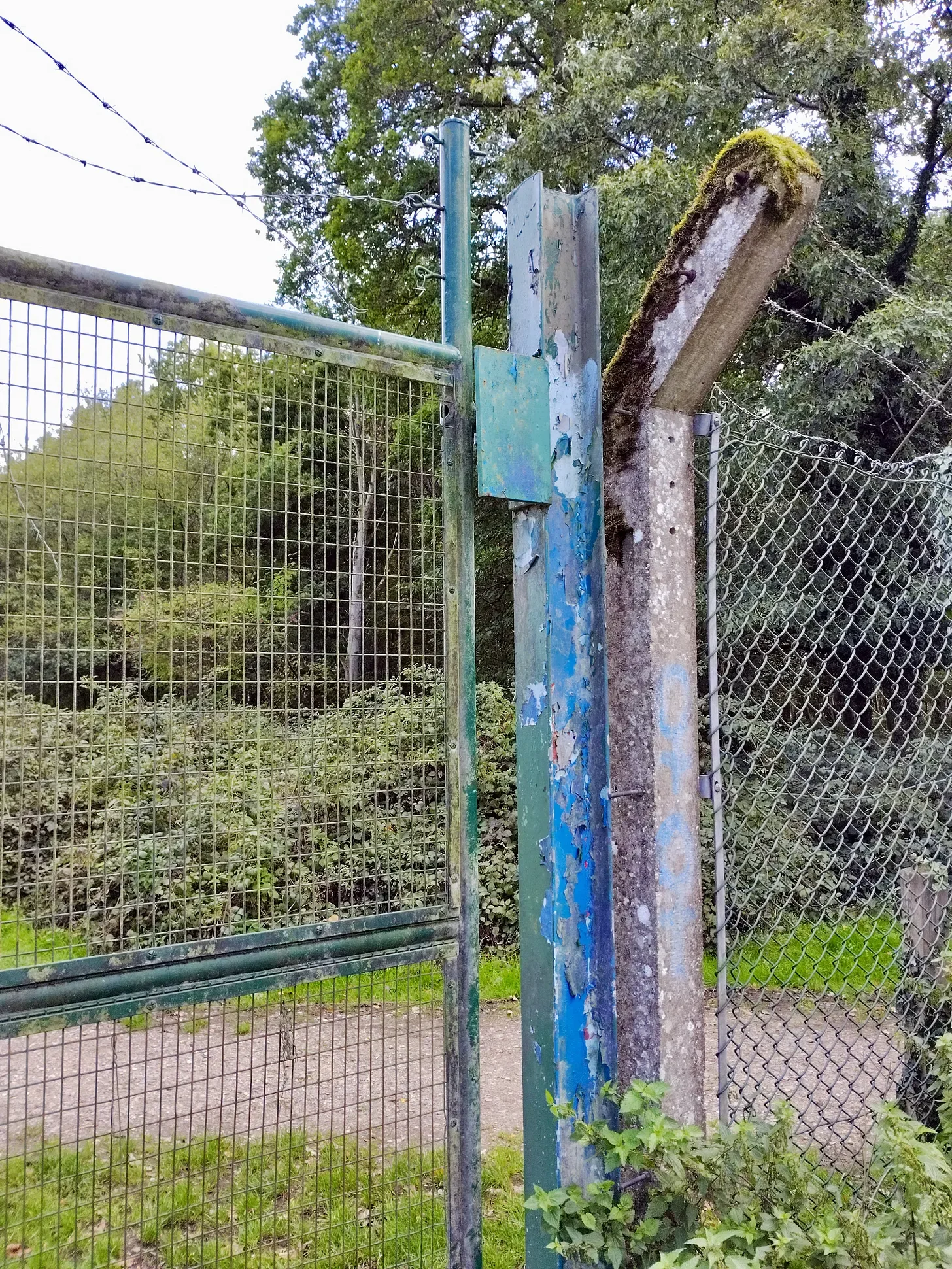
The women's camps were situated at different bases around the perimeter, named after colours. This is all that remains of the blue paint and peace signs painted on the ‘Blue Gate’.
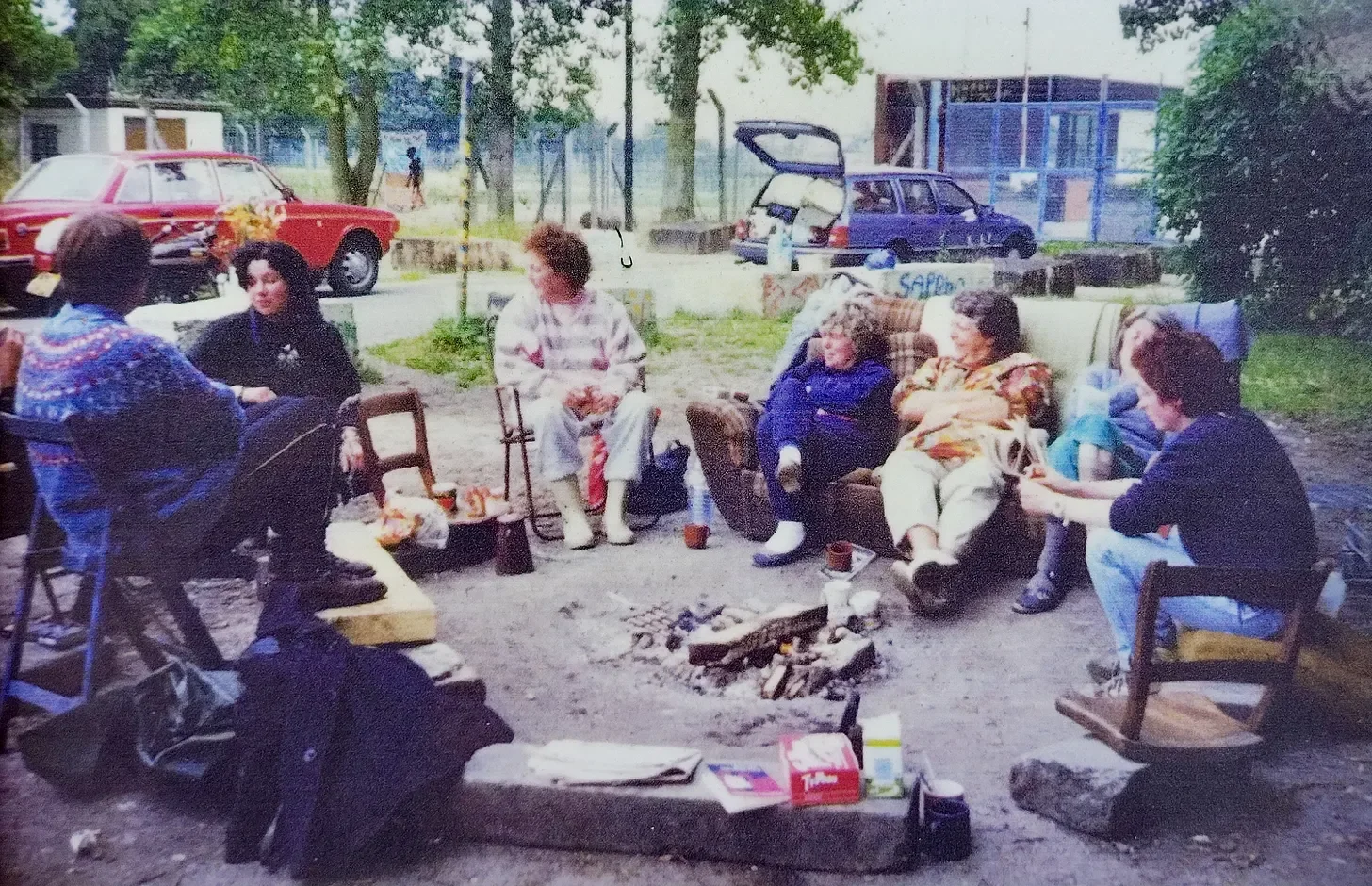
A photo of protesters stationed outside at the ‘Blue Gate’ - you can see the same blue gate in the background.
